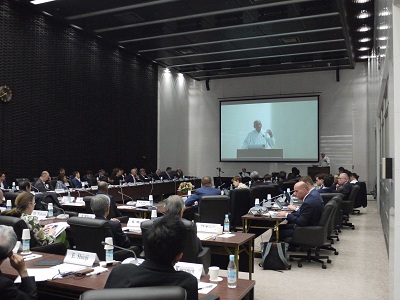
The Institute for Monetary and Economic Studies (IMES) of the Bank of Japan (BOJ) held the 2026 BOJ-IMES Conference on May 27 and 28. This year marked the 31st edition from its start in 1983. There were about 70 participants from central banks, international organizations, and academia. Under the conference theme of "Monetary Policy from New Perspectives," wide-ranging topics from the conduct of monetary policy to economic analyses were discussed through speeches, paper presentations, a fireside chat, and policy panel discussions. [Program]
1. Opening Remarks
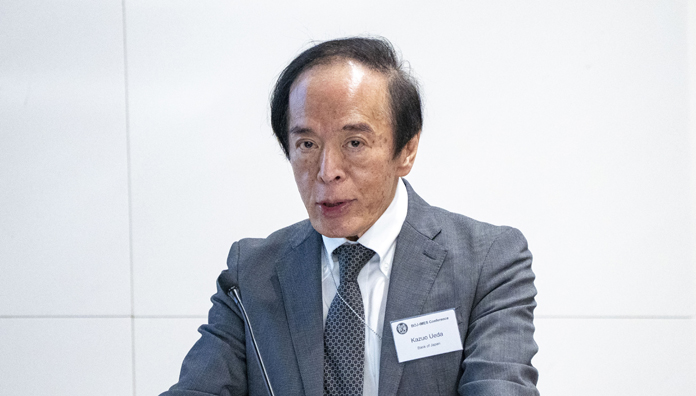
Governor Kazuo Ueda (BOJ) shared some thoughts on Japan's experience with major energy shocks over the past five decades. He identified five significant energy price spikes since the 1970s and noted that the impact on inflation in Japan was different in each case.
Beginning with the first oil shock of 1973, he noted that the economy had been already overheated when the shock hit, leading to a typical wage-price spiral, and stressed that wages were the most important transmission channel. He added that monetary tightening came after high inflation dynamics had already developed. He contrasted the second oil shock of 1979-80, which led to far more moderate inflation. He pointed out that not only a more prompt monetary policy response but more favorable initial conditions, including lower inflation, restrained wages, restrained behavior by firms and labor unions, and earlier yen appreciation, contributed to the inflation outcome.
He noted that oil prices rose substantially in the mid- to late-2000s, but this resulted in little change in underlying inflation because the Japanese economy had fallen into a deflationary equilibrium by this time. He turned to the recent episode, beginning around 2021, where an external cost shock was not temporary, generating broader price increases. However, he pointed out that this did not bring about an early-1970s-style spiral, with expectations rising only modestly from near zero to around 1.5-2%.
He noted the implication that central banks should not view oil prices in isolation, since their effects depend on wages, expectations, demand, and exchange rates. He summarized that oil price shocks were tests of the entire inflation regime. Noting that the fifth of these significant energy price spikes was currently under way, he concluded by hoping to hear participants' views on initial conditions, inflation regimes, and the best policy responses from central banks around the world.
【Next】Mayekawa Lecture
To Prev.
2. Mayekawa Lecture
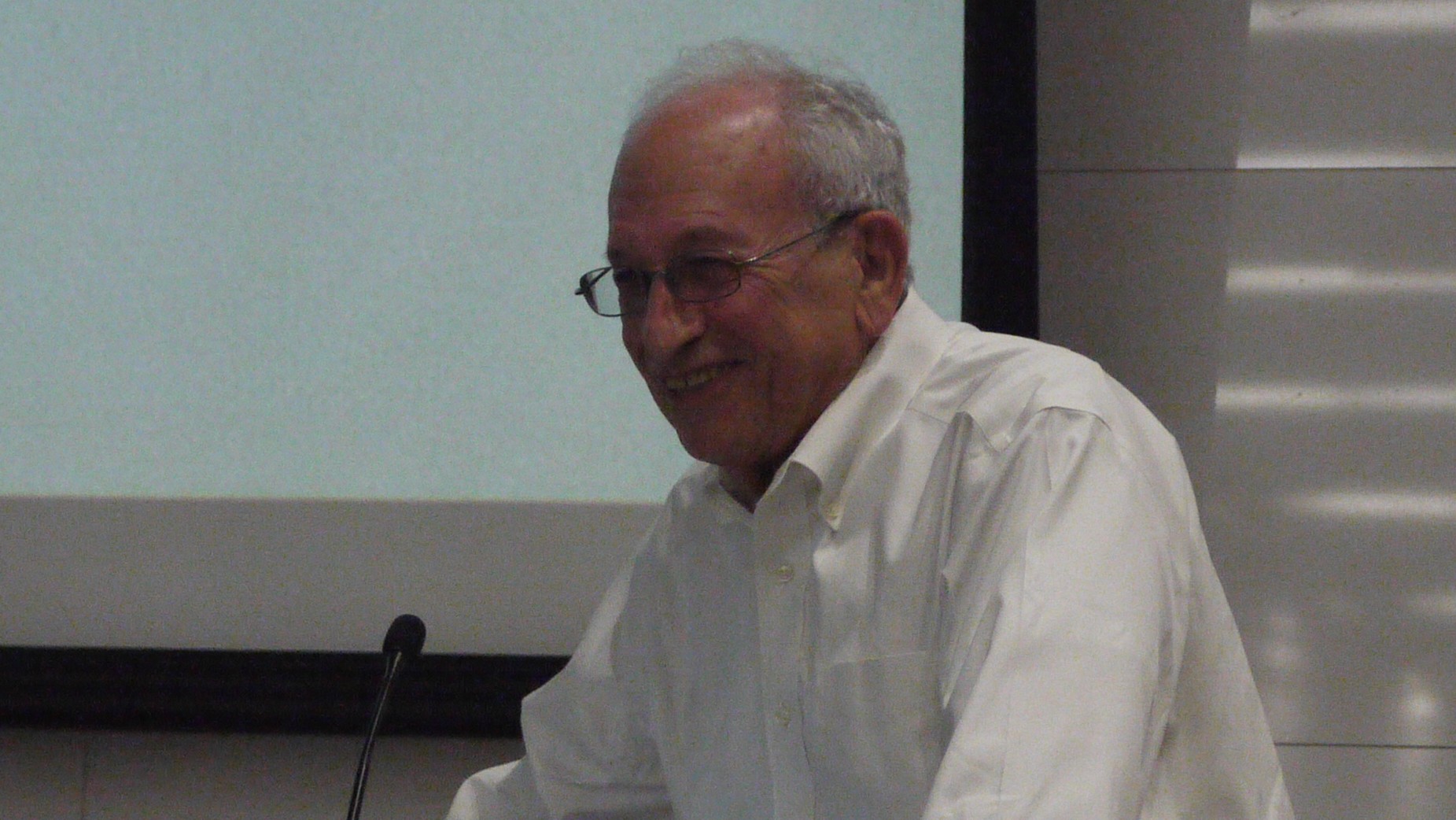
Dr. Donald Kohn (The Brookings Institution) delivered the Mayekawa Lecture on central bank independence, drawing on his experience and lessons from history. He observed that threats to central bank independence in the United States had risen to levels not seen since the Fed-Treasury Accord of 1951. He noted that preserving independence had become a defining institutional challenge.
He first explained the meaning of independence by mentioning the delegation of authority to central banks with clearly defined objectives, limits to delegated authority, democratic accountability, laws, and norms. He stressed that protecting independence required that policy disagreement not be grounds for dismissal by the appointing authorities.
He then noted that the political pressures on the Federal Reserve had increased to levels that are unusual in scale and in intensity. He added that the broader economic environment, including rising public debt, fading disinflationary forces, and adverse supply shocks were likely to strengthen the case for independence.
He turned to what central banks can do to strengthen the support for independence. He argued that central banks should remain focused on the core objectives; they must be as successful as possible; and communication mattered, especially to reach legislators and the broader public. He stressed that policy should rest on an evidence-based narrative, flexibility, and humility.
He also identified two difficult challenges: unsustainable fiscal trajectories, which could threaten independence well before outright fiscal dominance emerged; and financial stability, where responsibility is often shared with other supervisory and regulatory agencies.
He concluded that these were difficult times, but that independence had endured because experience demonstrated its value, and that independence had to be earned and re-earned.
【Next】Keynote Speech
To Prev.
3. Keynote Speech
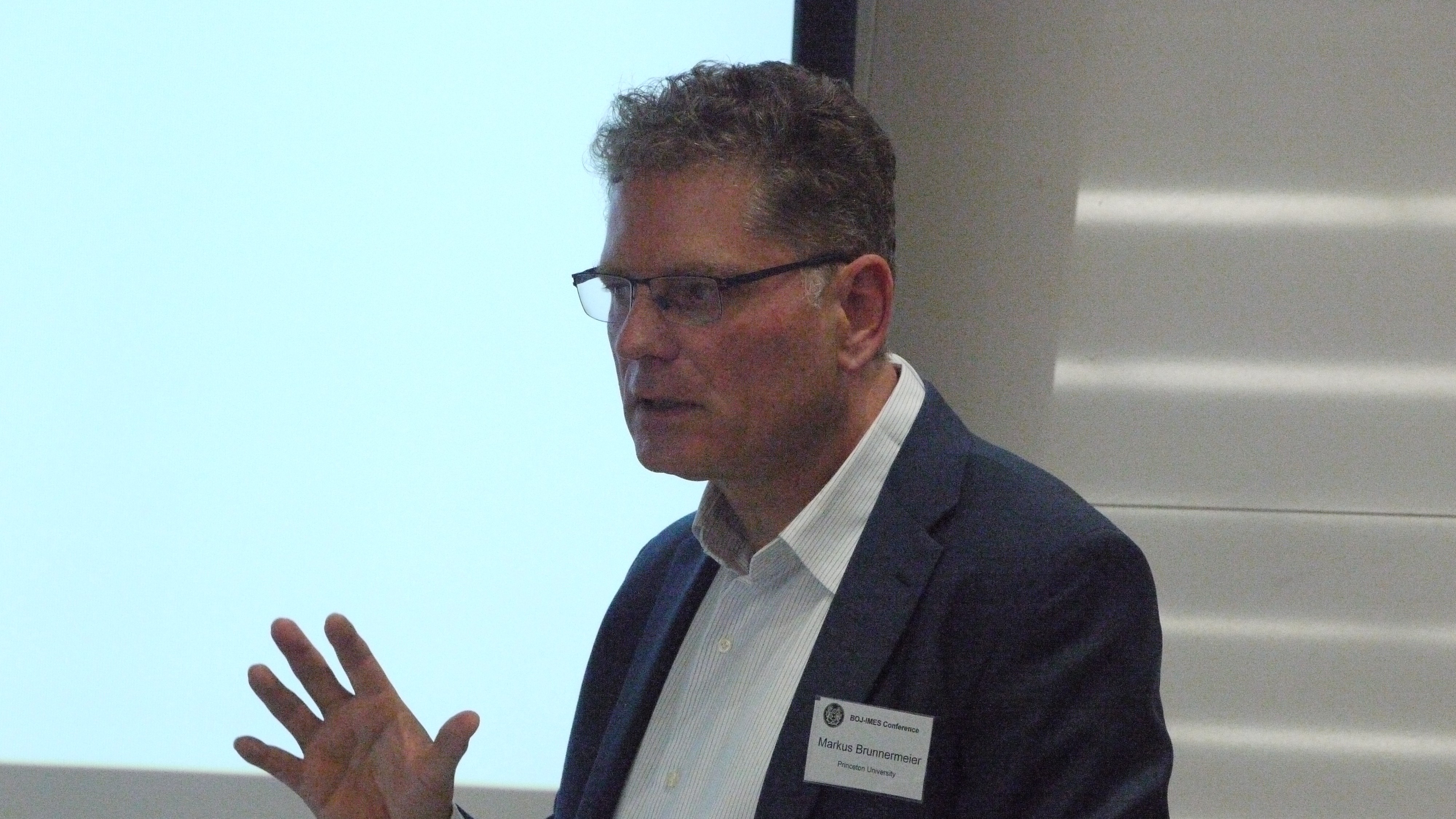
Professor Markus Brunnermeier (Princeton University, Honorary Adviser to the IMES) set out five "AI-forces" and discussed how they could reshape money, finance, and policy.
The first force is a delegation and alignment challenge, as software moves from human-written code to large language models whose outputs are self-verified, creating a principal-agent problem marked by asymmetric understanding and asymmetric information. The second is speed, which obliges humans to delegate tasks to AI agents, leading to loss of control by humans. The third is a widening span of control that flattens hierarchies and hollows out the middle-manager pipeline. The fourth is the hyper-personalization of goods, services, and prices, raising questions about how aggregate price indices are measured and what will happen to price stickiness. The fifth is "moat rupture risk," as AI erodes switching costs and increases idiosyncratic risk.
As for the implications for money, finance, and policy, he argued that asymmetric execution speed, wider delegation to AI-trading agents, and shared models and data would change the market structure, making regulation even more difficult. He added that a high-speed world would necessitate tokenized digital money, giving rise to a payment-credit-privacy trilemma in which only two of perfect credit, perfect payments, and cash-like privacy can be achieved.
He then turned to the big AI bet, observing that current investment was large but not unprecedented, with financing shifting toward debt. He mentioned risks to the repricing and productivity gain of AI technologies, and added that AI technologies could segment the finance world by building digital currency areas. He concluded that in this challenging time the only way to have a resilient outcome was to stay agile and maintain the reputation of institutions such as central banks.
【Next】Fireside Chat
To Prev.
4. Fireside Chat
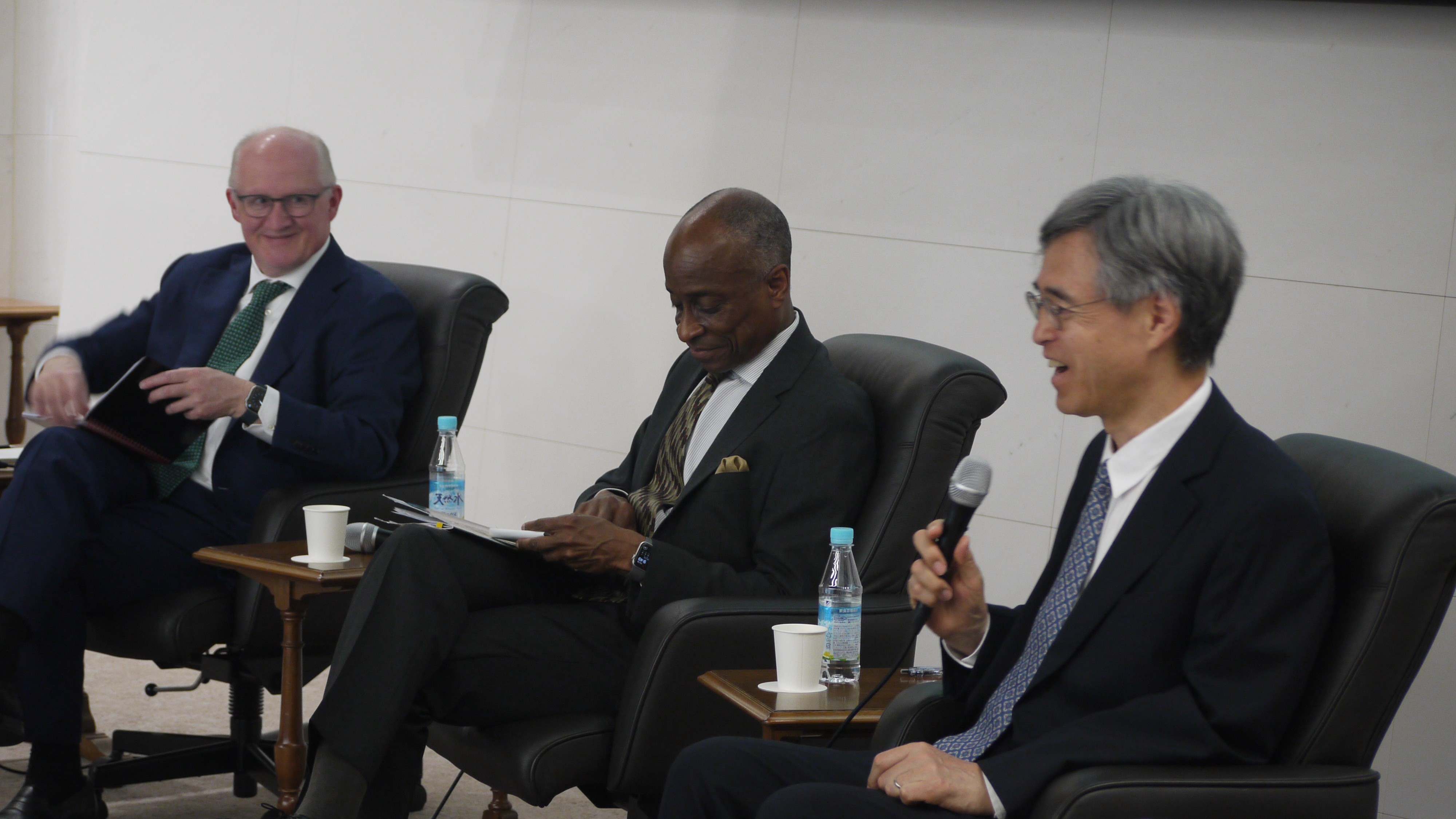
Deputy Governor Ryozo Himino (BOJ) hosted the fireside chat and welcomed Vice Chair Philip Jefferson (Federal Reserve Board) and Executive Board Member Philip R. Lane (European Central Bank). Mr. Himino invited each speaker to make brief remarks on monetary policy response to supply shocks, after which he asked about the lessons learned from past episodes and about central bank communication.
Dr. Jefferson first flagged three global developments: rising energy prices, rapid advances in AI, and trade disruptions. He then turned to the US economy and said that he remained firmly committed to returning inflation to the 2 percent target.
Dr. Lane argued that, while "supply" shocks such as demography, the green transition, and AI technologies would affect supply capacity, the effect of disruptions in the energy sector was the most immediate concern. He added that if there are repeated disruptions which lower the near-term supply capacity, they could lower potential output persistently. This is one of the lessons from the 1970s.
Regarding the first question, Dr. Jefferson pointed out the importance of anchored inflation expectations, policy credibility, and economic structure. He added that lower energy intensity and net energy exporter status of the US made the current shock milder than those in the 1970s. Dr. Lane emphasized a nonlinear inflation response in which larger shocks have disproportionately stronger effects, and pointed out the possibility of the current mid-sized shock, smaller than 2022, being less acute.
Regarding the second question, Dr. Lane stressed that an overriding objective for communication is to show commitment to returning inflation to the target over the medium-term. Dr. Jefferson added that policymakers should remain humble with regard to first-round effects, which monetary policy cannot offset, while acting to prevent second-round effects and a wage-price spiral.
【Next】Paper Presentation Sessions
To Prev.
5. Paper Presentation Sessions
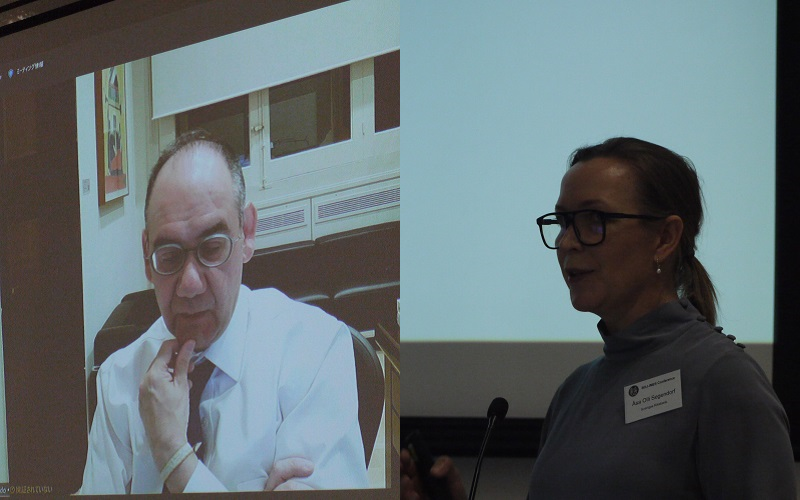
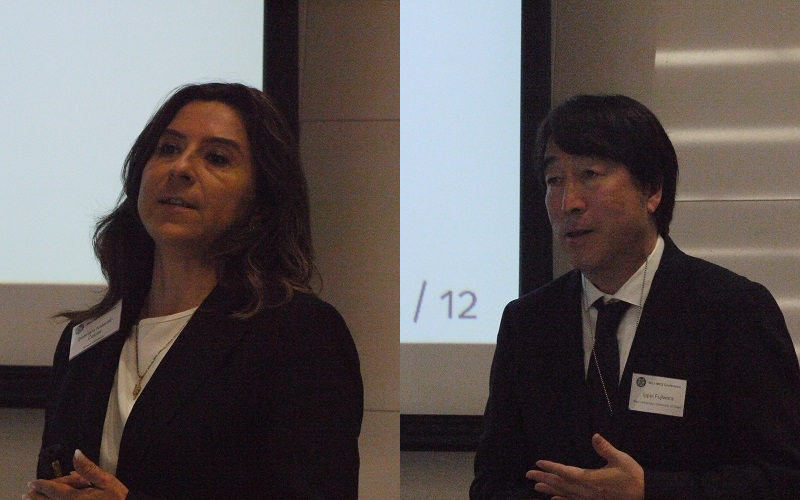
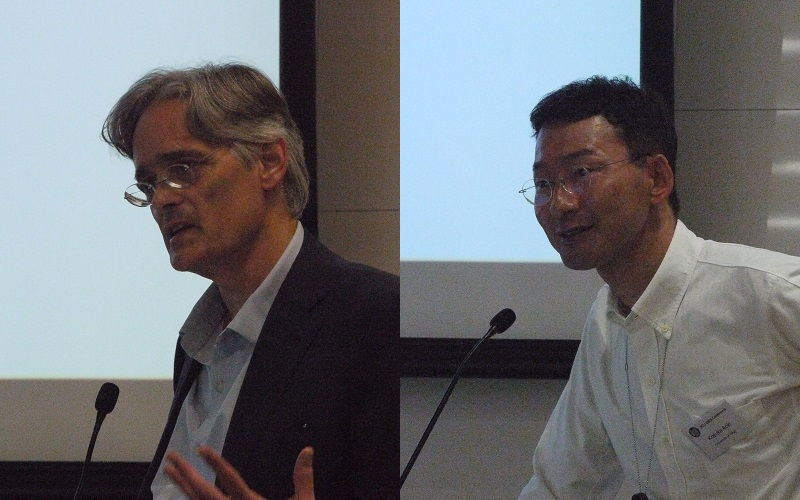
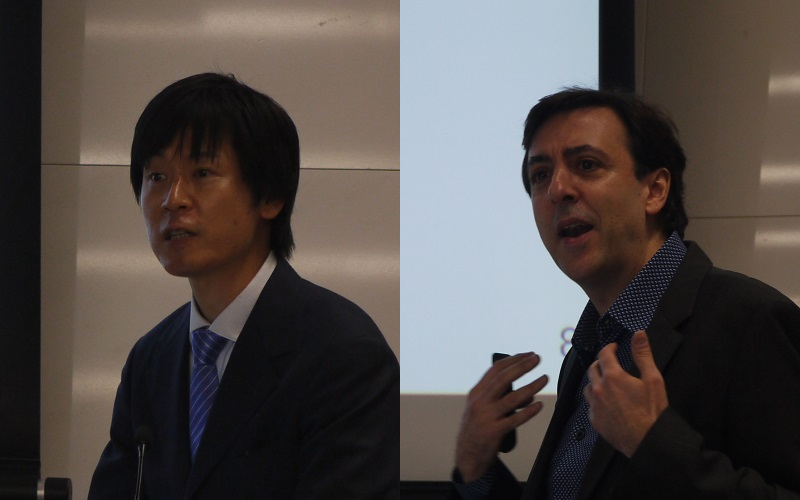
In the paper presentation sessions, four papers were presented on inflation and monetary policy. Candid discussions took place among presenters, discussants, and floor participants.
【Next】Policy Panel Discussions
To Prev.
6. Policy Panel Discussions
This conference had two policy panel discussions, one on "Monetary Policy and Imbalances," and another on "Monetary Policy in a Changing World Economy," in line with the conference theme "Monetary Policy from New Perspectives."
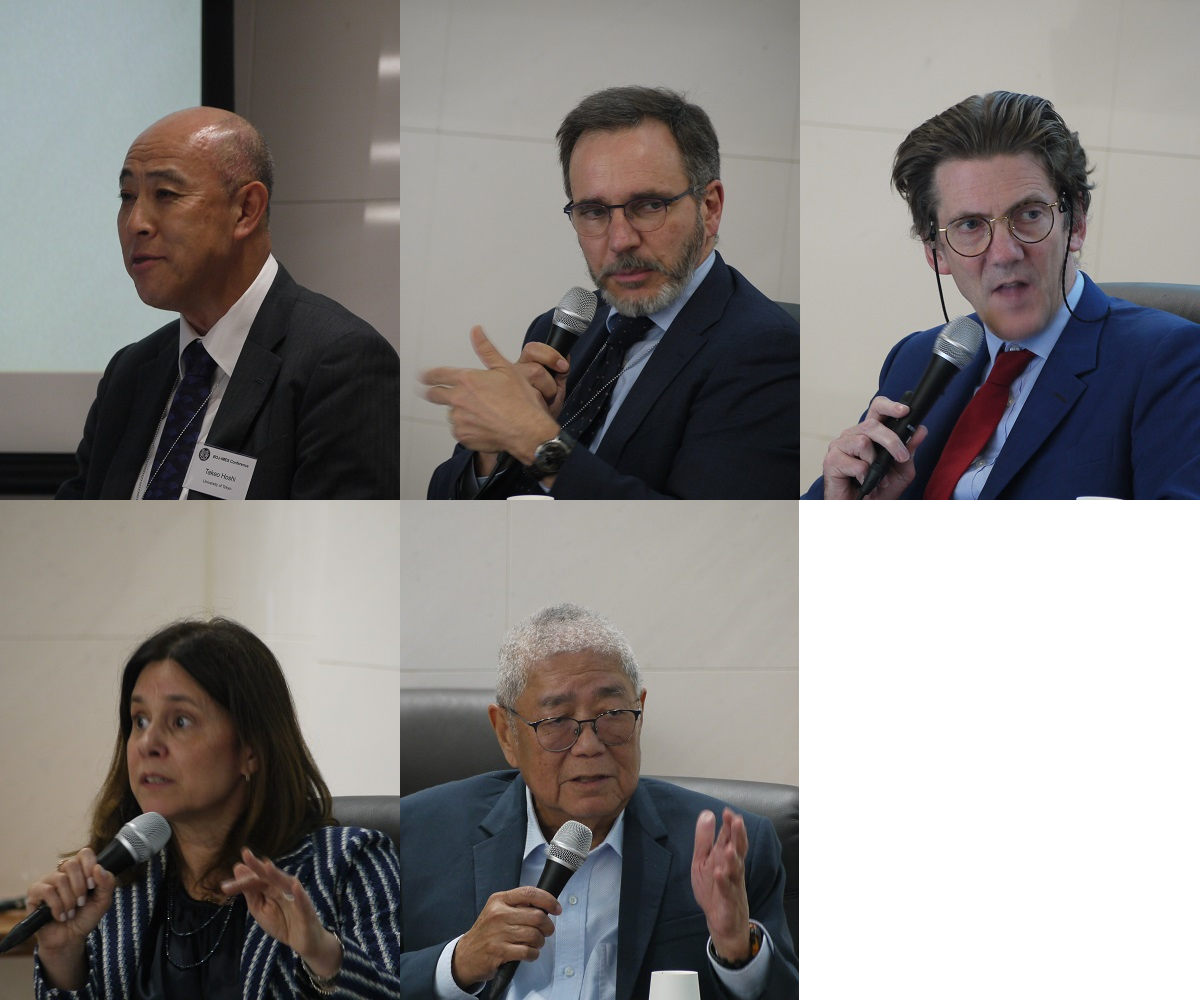
The first panel discussion, on "Monetary Policy and Imbalances," was moderated by Takeo Hoshi (Professor, The University of Tokyo, Chief Councillor to the IMES), and featured four panelists: Pierre-Olivier Gourinchas (Economic Counsellor and Director of the Research Department, International Monetary Fund), Andrew Hauser (Deputy Governor, Reserve Bank of Australia), Lorie Logan (President and CEO, Federal Reserve Bank of Dallas), and Eli M. Remolona, Jr. (Governor, Bangko Sentral ng Pilipinas).
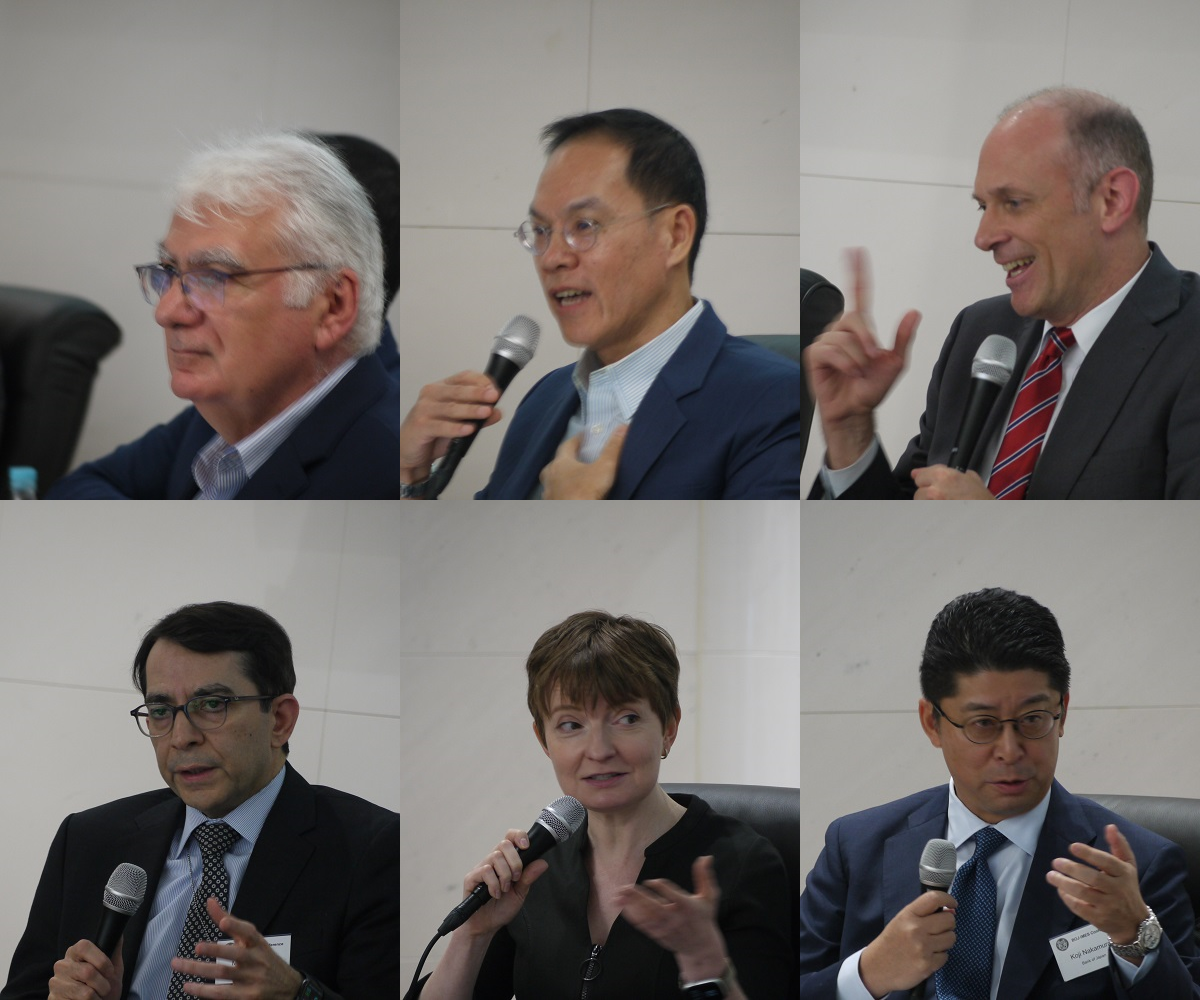
The second panel discussion, on "Monetary Policy in a Changing World Economy," was moderated by Athanasios Orphanides (Professor, Massachusetts Institute of Technology, Honorary Adviser to the IMES), and featured five panelists: Piti Disyatat (Deputy Governor, Bank of Thailand), Austan Goolsbee (President and CEO, Federal Reserve Bank of Chicago), M. Ayhan Kose (Deputy Chief Economist and Director of the Prospects Group, The World Bank Group), Clare Lombardelli (Deputy Governor, Bank of England), and Koji Nakamura (Executive Director, BOJ).
* The titles and information in these newsletters are as of the time of the conference.